Preschool is a time of rapid growth, learning, and increasing independence. Children between 3 and 5 years old are learning to communicate, play with others, solve problems, manage emotions, and prepare for school.
Many children with congenital heart disease (CHD) continue to grow and learn just like other children, while some may need extra support along the way. As children grow, families often begin to focus not only on their child’s heart condition, but also on development, behavior, learning, and school readiness.

Common Challenges #
Every child with CHD is different. Some children experience developmental challenges, while others do not. If challenges occur, they may include:
Developmental delays
Some children with CHD reach developmental milestones later than expected. A developmental milestone is a skill most children learn by a certain age. During the preschool years, milestones include speaking in longer sentences, following directions, playing cooperatively with other children, dressing with some help, and learning early school skills like letters, numbers, and colors.
Feeding Challenges
Some children need extra help learning to eat or drink safely. During the preschool years, children often develop preferences about food. However, eating only a very small number of foods or strongly avoiding certain foods, textures, or food groups may be a sign that extra support is needed. Some children with CHD may also have difficulty swallowing, need tube feedings, or need extra support learning to use utensils such as a spoon or fork. Find more information about feeding challenges here.
Emotional Regulation Challenges
Some children may have strong emotional reactions, frequent tantrums, or difficulty calming down when upset.
Preschool-age children with CHD may also become more fearful of doctor visits, medical procedures, or being in the hospital. Past medical experiences may lead to changes in behavior, sleep, or play, or cause children to become more fearful or clingy. Preparing your child with simple, honest explanations can help them know what to expect. A child life specialist can use play and age-appropriate explanations to help your child understand and prepare for medical experiences. Find more information about supporting your child in the hospital here.
Sensory Differences
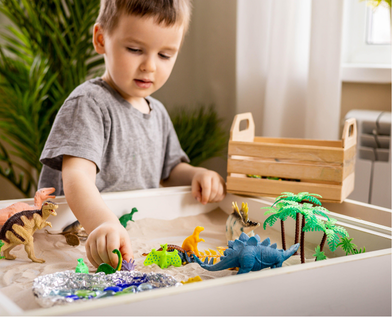
Some children may be more sensitive to noise, touch, movement, or new environments. This may look like covering their ears around loud sounds, avoiding certain clothing or food textures, becoming upset when touched, or avoiding activities with a lot of movement.
Others may seek out sensory experiences or have difficulty knowing where their body is in space. This may look like frequently bumping into things, using a very loud voice, hugging or pushing too hard, constantly moving, making loud noises, or crashing into things during play.
Autism Spectrum Disorder (ASD)
Autism spectrum disorder (ASD) is a developmental condition that must be diagnosed by a professional. It can affect communication, social interaction, and behavior. Every child with autism is different, but some signs may include difficulty communicating needs and wants, repetitive movements or play, differences in eye contact or gestures, a strong preference for playing alone rather than with others, or becoming unusually fixated on certain topics, toys, objects, or activities. If you have concerns about autism or your child’s social development, ask about an autism evaluation. Understanding your child’s strengths and needs early can help connect them with the right support sooner.
Attention or Self-Control Difficulties
Preschoolers are still developing attention, self-control, and executive function skills, which help children pay attention, remember what they are asked to do, control their behavior, and adjust when plans change. It can be normal for children this age to be active, become distracted, have difficulty waiting their turn, or need reminders to follow directions.
Sometimes these behaviors happen more often or make everyday activities harder. Attention-deficit/hyperactivity disorder (ADHD) is a condition that can affect attention, activity level, and self-control. If you have concerns, talk with your pediatrician or cardiologist about whether an evaluation may be helpful.
Learn more about ADHD in preschoolers here.
You know your child best. If something doesn’t seem right or you have questions about your child’s development, trust your instincts and talk with your healthcare team.
How You Can Support Your Child #
Every child with CHD is different. Some children experience developmental challenges, while others do not. If challenges occur, they may include:
Monitor Development and Stay Connected with your Care Team
Keep track of how your child is growing, learning, and meeting developmental milestones. Find more information about developmental milestones here.
Some children need extra support early in life and later catch up. Others may develop new challenges as they grow.
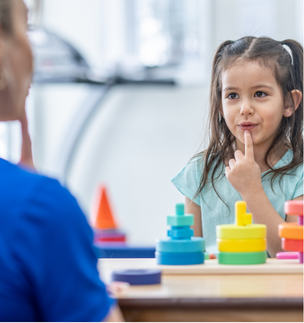
If your child needs extra support, your healthcare team may recommend services such as:
- Physical therapy helps children develop strength, balance, and movement
- Occupational therapy helps children learn everyday skills such as playing, eating, dressing, and using their hands
- Speech therapy helps children develop communication and feeding skills
- Feeding therapy helps children who have difficulty eating, drinking, or swallowing safely
- Behavioral therapy helps child who may have difficulty managing big feelings and behavior
- Developmental follow-up programs are specialized programs that help monitor your child’s development and connect you with needed resources. You can find a list of cardiac developmental follow-up programs here.
Continue follow-up with your child’s developmental program or neuropsychologist, if they have one. A neuropsychologist is a specialist who looks at how the brain affects learning, behavior, attention, and development. Reach out if you notice new concerns or if your child is struggling with daily routines, communication, movement, feeding, behavior, learning, or social interactions. You can also contact your local Child Find program to learn about available services. Support may change as your child grows.
Partner with Preschool or Childcare
Teachers and childcare providers spend many hours with your child and may notice strengths or challenges in different settings. Sharing information between caregivers, teachers, therapists, and your healthcare team helps everyone work toward the same goals.
Concerns about Illness
Starting preschool or childcare often means being around more children and common childhood illnesses. Talk with your child’s pediatrician or cardiologist about any precautions that are specific to your child’s heart condition or medical needs. Your child’s healthcare team can also help you plan for preschool or childcare if your child has special health needs.
Support Learning Through Everyday Activities
Young children learn through everyday interactions and play. You can build learning into things you already do together.
Try activities such as:
- Reading together every day
- Telling stories and talking about pictures in books
- Counting while climbing stairs or putting toys away
- Pointing out colors, shapes, letters, numbers, and patterns
- Asking questions that encourage your child to think and talk
- Encouraging pretend play
These simple activities help build language, early reading and math skills, attention, and thinking skills.

Encourage Movement and Play
Movement and play help preschoolers build strength, coordination, confidence, and new skills. Encourage activities such as playground play, obstacle courses, dancing, riding a tricycle or bike, and participating in sports or gymnastics. Activities such as building with blocks, completing puzzles, drawing, and playing with small, age appropriate toys can help develop hand and finger skills.
Playing with other children can also help your child practice communication, taking turns, problem-solving, and other social skills.
Think Carefully About Screen Time
Television, tablets, and other screens can sometimes be a helpful distraction, especially during medical tests or long hospital stays.
However, too much screen time can replace opportunities for talking, playing, and interacting with others, which help young children learn.
When possible:
- Choose calm, story-based programs or movies
- Limit fast-paced videos and games
- Watch together and talk about what you see
Children learn through everyday interactions. Setting aside your own phone or tablet during playtime, meals, and conversations helps create more opportunities to talk, play, and connect. You can find more information about healthy media habits here.

Support Emotional Connection and Bonding
Strong relationships help support healthy development.
Simple activities such as:
- Snuggling
- Talking
- Singing
- Face-to-face play
help your child feel safe and connected.
Responding to your child’s sounds, gestures, and facial expressions helps them learn communication skills and build trust.
Create Healthy Daily Routines
Predictable routines help preschoolers know what to expect and can support sleep, behavior, learning, and emotional development.
Try to keep regular routines for:
- Sleep and bedtime
- Meals
- Play
- Reading
Everyday routines are also opportunities to learn. Reading, singing, talking, and helping with simple household tasks can build language, social skills, and independence.

Taking Care of Yourself
Caring for a child with CHD can be stressful. Taking care of yourself is an important part of caring for your child, but finding time or resources to focus on your own well-being may not always be easy
Support can look different for every family. When possible, accept help with meals, childcare, transportation, or everyday tasks. Small moments of rest, connecting with someone you trust, or doing something you enjoy can also support your well-being.
A social worker can help families navigate practical and emotional challenges by connecting them with community resources, financial assistance, transportation, lodging, counseling, and other support services. Ask your healthcare team if you would like help connecting with a social worker.
Other ways to support your well-being may include:
- Connecting with other families affected by CHD
- Talking with a counselor or therapist
- Physical activity or spending time outside
- Mindfulness activities, such as breathing exercises
- Spending time with supportive family members or friends
Looking Ahead: Getting Ready for Kindergarten #

As your child gets closer to kindergarten, help them practice small steps toward independence. This might include following simple routines, cleaning up toys, asking for help, taking turns, using words to express needs, and practicing short learning activities through play.
If you have concerns about school readiness, ask your child’s developmental program, neuropsychologist, pediatrician, or care team what supports may help. You can find more information on neurodevelopment in Elementary School Age here.


