Supporting Your Child’s Development During a Hospital Stay #
A hospital stay may change daily routines, but your child is still growing and learning. During a hospital stay, procedures, medicines, monitoring, and recovery are important parts of your child’s care. At the same time, simple developmental supports can often be included in everyday care to help your child feel comfortable, connected, and supported as they recover. Your healthcare team will help you understand what your child is ready for and how you can support their development each day.

Why does development matter during a hospital stay? #
Neurodevelopment is how the brain grows and develops. It includes movement, communication, learning, behavior, emotions, and social skills. Everyday experiences such as being comforted, hearing familiar voices, moving, playing, eating, learning, and spending time with people they love help support development. Hospital stays can interrupt many of the everyday experiences and routines that help children learn and grow.
Every hospital day is different. Some days your child may be able to participate in everyday experiences and routines that help children learn and grow. Other days they may need more medical support. While medical care must come first, there are often safe ways to support development throughout the hospital stay. Even small, everyday interactions can help children fell safe, supported, and connected while they recover.
You are an important part of your child’s care team #
Together, you are partners in supporting your child’s recovery and development.
Every interaction is an opportunity to support your child’s growth, learning, and development. Even small moments can make a difference.
Depending on your child’s medical needs, you may be able to:
- Talk, read, or sing together.
- Offer comforting touch.
- Hold your child or provide skin-to-skin care.
- Help with daily care such as bathing, feeding, dressing, or other care activities.
- Encourage safe movement and play.
- Bring favorite books, toys, blankets, or comfort items from home.
- Celebrate all milestones, big or small
- Keep familiar routines when possible
- Stay connected to siblings, family, friends, and community
- Give your child opportunities to make simple choices such as if they take a shower in the morning or at night.
- Share changes or concerns you notice with the healthcare team.

Some days you may be able to do many of these activities. Other days your child may need more medical support. Even when hands-on care is limited, your presence, voice, and reassurance continue to matter.
Supporting development at every age #
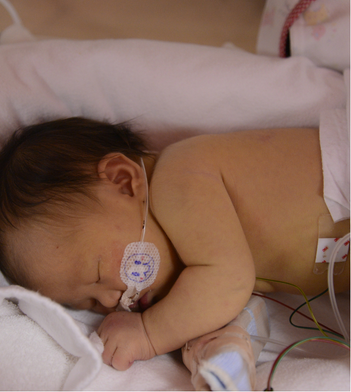
Babies
Babies learn about the world through touch, movement, feeding, hearing familiar voices, and being comforted.
When it is medically safe, you may be able to:
- Hold your baby or provide skin-to-skin care.
- Talk, sing, or read softly.
- Help with diaper changes, bathing, positioning, or feeding.
- Learn your baby’s cues, such as signs they are calm, stressed, tired, or ready to interact.
- Ask about lactation support if you plan to provide breast milk.
- Ask about feeding support if your baby has difficulty feeding by mouth.
If your baby cannot be held, ask about gentle touch or other safe ways to comfort them.
Toddlers and Preschoolers
Young children learn through movement, play, routines, and relationships.
During a hospital stay you may be able to:
- Offer simple choices whenever possible.
- Read books, sing songs, or play together.
- Help maintain familiar routines.
- Encourage safe movement when approved by the healthcare team.
- Bring favorite comfort items from home.
- Use simple, honest words to explain what is happening.
Some children may temporarily need extra help with skills they had already learned. This is common during illness or hospitalization. Let your healthcare team know if you notice changes.


School-Age Children
School-age children often want to understand what is happening and stay connected to their normal routines.
You can help your child:
- Ask questions about their care.
- Learn about medical care using language your child can understand.
- Stay connected with school when possible.
- Bring books, games, crafts, or favorite activities from home.
- Use hearing aids, glasses, communication devices, and other supports they use at home.
- Keep familiar routines whenever possible.
Giving school-age children chances to ask questions, make choices, and take part in their care can help them feel more confident and supported during a hospital stay.
Teenagers
Teenagers often value independence while still needing support.
Encourage your teen to:
- Participate in discussions about their care.
- Ask questions.
- Share their concerns.
- Stay connected with school, friends, and activities when possible.
- Make choices about daily routines whenever it is safe.
Respecting privacy and involving teens in decisions can help them build confidence as they prepare to manage more of their healthcare over time.

Adults with Congenital Heart Disease

Adults with congenital heart disease (CHD) need specialized care and may receive that care in a children’s hospital, an adult hospital, or a specialized adult congenital heart disease (ACHD) program.
During a hospital stay, adults may be balancing recovery with work, finances, family responsibilities, privacy, and independence.
Adult patients may be supported by:
- Including them in discussions and decisions about their care.
- Asking what they can safely do on their own and where they need help.
- Supporting choices about daily routines whenever possible.
- Talking openly with the healthcare team about pain, pain medicines, movement, rest, and recovery goals.
- Asking a medical social worker for help with work leave, finances, parking, meals, transportation, or other practical needs.
- Asking what adult-focused services are available, especially when care is provided in a children’s hospital.
Tell new healthcare providers about your CHD, even when the hospital stay or procedure is not directly related to your heart.
Some adults with CHD also have intellectual or developmental disabilities and may need additional support during a hospital stay. If you are a caregiver of an adult with CHD, share how they communicate, make decisions, manage daily activities, and respond to unfamiliar people or routines. Ask the team to include the patient as much as possible and provide information in a way they can understand.
Supporting development at every age #
Many hospitals have team members who focus on helping children continue to grow and develop during a hospital stay.
These services may include:
Child Life Specialists help children understand medical experiences through play, education, preparation, and coping activities.
Hospital School Teachers help children continue learning during longer hospital stays. They were with your child’s school when appropriate, help maintain educational routines, and support a smoother return to school after hospitalization.
Physical Therapists (PTs) help children build strength, movement, balance, and physical skills.
Occupational Therapists (OTs) help children develop everyday skills such as playing, dressing, feeding, and participating in daily activities.
Speech-Language Pathologists (Speech Therapists) help with communication, feeding, and swallowing.
Music Therapists use music to support comfort, coping, and engagement.
Art Therapists use creative activities to help children express themselves and cope with hospitalization.
Psychologists help children and families understand emotions, behavior, thinking, learning, coping, and adjustment during and after a hospital stay. They can also provide strategies to help manage stress, anxiety, pain, and other challenges related to hospitalization.
Medical Social Workers help families navigate practical and emotional challenges by connecting them with community resources, financial assistance, transportation, lodging, counseling, and other support services.
Not every child will need every service every time they are in the hospital. Ask your healthcare team which developmental supports may be helpful for your child.
Preparing to go home #
As your child gets ready to leave the hospital, ask how to continue supporting their development at home.
You may want to ask:
- What activities are safe right now?
- Are there activities we should avoid?
- Will my child continue receiving therapy after leaving the hospital?
- What developmental changes should I watch for?
- Who should I contact if I have concerns after we go home?

Adjusting to home may take time
Going home is an important milestone, but it is also a transition. After spending days, weeks, or even months in the hospital, it is common for children and families to need time to adjust to new routines and family roles. Returning home is often a transition for the whole family.
Some children may:
- Need extra reassurance or comfort.
- Have trouble returning to familiar routines.
- Feel unsure about sleeping in their own room or being away from their caregivers.
- Take time to return to activities they enjoyed before the hospital stay.
- Need to slowly rebuild their confidence and independence.
Parents and caregivers may also be adjusting to new medications, appointments, therapies, or caregiving responsibilities while trying to return to everyday family life.
This adjustment looks different for every family. Be patient with yourself and your child as everyone settles into new routines. While it is natural to feel protective after a hospital stay, consistent routines, loving boundaries, and familiar family expectations can help your child feel secure. If you have concerns about your child’s development or behavior after returning home, talk with your healthcare team.
Recovery continues after discharge. Your healthcare team can help you understand what to expect and what supports may be available.
As your family settles back into everyday life, remember that everyday moments continue to support your child’s development. Reading together, sharing meals, playing, talking, and returning to familiar routines all help children feel safe, connected, and continue learning as they recover
A Final Reminder #
Every hospital stay is different. Some days may feel busy or overwhelming, while other days may allow more opportunities for connection and participation.
No matter where your child is in their recovery, your relationship with them continues to matter. Your voice, your comfort, your encouragement, and your presence are all important parts of supporting both healing and development.