The first few years of life are an important time for your child’s growth and development. Many children with congenital heart disease (CHD) continue to grow and learn just like other children, while some may need extra support along the way. Babies and toddlers with CHD grow, learn, and develop in their own unique ways.
Some children need surgeries or procedures early in life, while others are monitored closely by their medical team. As children grow, many families begin to focus not only on their child’s heart condition, but also on their development and daily life.
Below are some challenges that infants and toddlers with CHD may experience.

Common Challenges #
Every child with CHD is different. Some children experience developmental challenges, while others do not. If challenges occur, they may include:
Developmental delays
Some children with CHD reach developmental milestones later than expected. A developmental milestone is a skill most children learn by a certain age, such as rolling, sitting, crawling, walking, using their hands to grab toys, following simple instructions, or saying words.
Feeding Challenges
Some children need extra help learning to eat or drink safely. Some children may have difficulty swallowing, need tube feedings, or be very selective about foods. Find more information about feeding challenges
Challenges with Transitions Between Hospital and Home
For children who spend a long time in the hospital, moving from hospital to home can be challenging. Families may also be adjusting to a new daily routine after spending weeks or months in the hospital. Find more information about planning for home after the hospital here.
Sensory Differences
Some children may be more sensitive to noise, touch, movement, or new environments.
Emotional Regulation Challenges
Some children may have strong emotional reactions, frequent tantrums, or difficulty calming down when upset.
Concerns About Illness
Many families worry about daycare, preschool, or exposure to common childhood illnesses. Talk to your pediatrician or cardiologist if you have any concerns.

Autism Spectrum Disorder (ASD)
Autism spectrum disorder (ASD) is a developmental condition that must be diagnosed by a professional. It can affect communication, social interaction, and behavior. Every child with autism is different, but some signs may include difficulty communicating needs and wants, repetitive movements or play, differences in eye contact or gestures, a preference for playing alone rather than with others, or becoming fixated on certain toys, objects, or activities. If you have concerns about autism or your child’s social development, ask about an autism evaluation. Understanding your child’s strengths and needs early can help connect them with support sooner.
You know your child best. If something doesn’t seem right or you have questions about your child’s development, trust your instincts and talk with your healthcare team.
How You Can Support Your Child #
Monitor Development and Stay Connected with Your Care Team
Keep track of how your child is growing, learning, and meeting developmental milestones. Many children with CHD have early medical experiences that can affect development. Find more information about developmental milestones
Some children need extra support early in life and later catch up. Others develop new challenges as they grow.
Research shows that early support can improve outcomes for children who are at risk for delays. Share any developmental or behavioral concerns with your child’s care team as soon as possible.
Services that can help support develoment:
- Physical therapy helps children develop strength, balance, and movement
- Occupational therapy helps children learn everyday skills such as playing, eating, dressing, and using their hands
- Speech therapy helps children develop communication and feeding skills
- Feeding therapy helps children who have difficulty eating, drinking, or swallowing safely
- Behavioral therapy helps children who may have difficulty managing big feelings and behavior
- Developmental Follow-up Programs are specialized programs that help monitor your child’s development and connect you to needed resources. You can find a list of Cardiac Developmental follow-up programs here.
- Early Intervention is a state program in the United States that provides free or low-cost developmental services for children younger than 3 years who may need extra support. In many places, families can request an evaluation through their state’s Early Intervention Program without a referral from a healthcare provider. Find your state’s Early Intervention contact information here
Support play and learning
Young children learn through everyday interactions and play.
Try activities such as:
- Playing together
- Singing
- Playing simple games like peek-a-boo or pat-a-cake
- Reading books together
- Talking about or narrating what you are doing throughout the day
- Using gestures, such as pointing, while talking
Simple routines at home and during play help build language, thinking, and social skills.

Support motor development
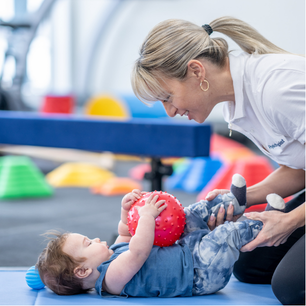
Moving and playing help children build strength, coordination, and confidence. Motor development refers to skills that involve moving the body. Encourage safe movement and play on the floor.
Activities such as:
- Tummy time
- Crawling
- Climbing
- Reaching for toys
can help build strength, coordination, and learning.
Think Carefully About Screen Time
Television, tablets, and other screens can sometimes be a helpful distraction, especially during medical tests or long hospital stays.
However, too much screen time can replace opportunities for self-soothing, talking, playing, and interacting with others, which help young children learn.
When possible:
- Choose calm, story-based programs or movies
- Limit fast-paced videos and games
- Watch together and talk about what you see
Children learn through everyday interactions. Setting aside your own phone or tablet during playtime, meals, and conversations helps create more opportunities to talk, play, and connect together. You can find more information about healthy media habits here.

Support Emotional Connection and Bonding
Strong relationships help support healthy development.
Simple activities such as:
- Snuggling
- Talking
- Singing
- Face-to-face play
can help your child feel safe and connected.
Responding to your child’s sounds, gestures, and facial expressions helps them learn communication skills and build trust.
Create Healthy Daily Routines
Consistent routines help children feel safe and secure.
Regular routines for:
- Sleep
- Meals
- Play
can support learning and development.
Everyday activities such as reading, singing, and talking during meals also help build language and social skills.
Taking Care of Yourself
Caring for a child with CHD can be stressful. Taking care of yourself is an important part of caring for your child, but finding time or resources to focus on your own well-being may not always be easy.
Support can look different for every family. When possible, accept help with meals, childcare, transportation, or everyday tasks. Small moments of rest, connecting with someone you trust, or doing something you enjoy can also support your well-being.
A social worker can help families navigate practical and emotional challenges by connecting them with community resources, financial assistance, transportation, lodging, counseling, and other support services. Ask your healthcare team if you would like help connecting with a social worker.
Other ways to support your well-being may include:
- Connecting with other families affected by CHD
- Talking with a counselor or therapist
- Physical activity or spending time outside
- Mindfulness activities, such as breathing exercises
- Spending time with supportive family members or friends

Looking ahead #
When children turn 3 years old, support services often transition from Early Intervention programs to services provided through the local public school system. Instead of receiving one-on-one visits at home, many children begin receiving services in a preschool or classroom setting with other children. Your Early Intervention team can help guide this transition and answer questions about what to expect.
You can also contact your local Child Find program to learn about available services if your child is close to turning 3, but is not getting services through Early Intervention.
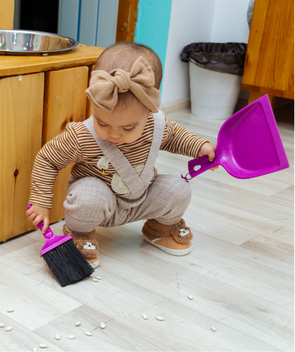
As your child approaches age 3, you may begin planning for preschool or other early education programs. Practicing simple routines at home can help prepare for this transition, such as:
- Cleaning up toys
- Following short directions
- Participating in a short activity
Stay connected with your neurodevelopmental team, the healthcare professionals who monitor your child’s learning, behavior, movement, communication, and development as they grow. If you live far from your team, ask whether telehealth visits are available if concerns about development arise.
Some children catch up to early milestones but develop new needs later in childhood, especially as school and daily life become more complex. Learn more about what to expect at the next stage here.


